Does Ginkgo Biloba Help Memory? The Research, the Risks and How Neuro Recall Compares
Quick answerNot in the largest trial. In the GEM study, 3,069 adults aged 72 to 96 took 120 mg of ginkgo twice a day or a placebo for about six years. Ginkgo did not lower dementia rates or slow cognitive decline. It may raise bleeding risk with blood thinners, so ask your doctor first. Neuro Recall lists ginkgo second in its blend.
- Refund terms shown at checkout
- Shipping cost shown before you pay
What is ginkgo biloba, and why is it linked to memory?
Ginkgo biloba is one of the oldest tree species on Earth. Its fan-shaped leaves are dried and made into extracts. Those extracts are among the most popular herbal products sold for memory.
The idea is simple. Ginkgo was thought to help blood flow and protect brain cells. That made it a natural pick for researchers who wanted to know if a pill could slow memory loss with age.
So they tested it in a large, long trial. The answer was clear, and it is not what the ads suggest. Our ginkgo biloba ingredient page covers the herb in more depth.
Does ginkgo biloba work? What the GEM trial found
- 3,069adults aged 72 to 96 in the trial
- 240 mgginkgo a day, as 120 mg twice daily
- 6.1 yrsmedian time on ginkgo or placebo
- 0difference in cognitive decline
The Ginkgo Evaluation of Memory study, or GEM, is the largest ginkgo trial in older adults. Its results were published in JAMA in 2009 (Snitz et al., JAMA 2009). Volunteers were randomly given ginkgo or a placebo.
People took 120 mg of ginkgo twice a day. They were followed for a median of 6.1 years. Over that time, the researchers tracked their thinking skills.
What did the GEM trial find?
Ginkgo did not slow cognitive decline. Scores dropped at about the same pace in both groups. NCCIH adds that ginkgo also did not lower the rate of dementia in this group (NCCIH, Ginkgo).
This was a long trial with a real dose and thousands of people. When a study like that finds no effect, it carries a lot of weight.
What do NIH sources say about ginkgo for memory?
Many readers ask whether newer research has changed the picture. NCCIH, part of the NIH, reports that ginkgo did not lower dementia rates in the GEM study (NCCIH, Ginkgo). It also keeps an overview of research on supplements for memory and dementia (NCCIH, Supplements for cognitive function).
| Source | What it covers | Main point | Link |
|---|---|---|---|
| GEM trial, JAMA 2009 | 3,069 adults aged 72 to 96, 240 mg a day for about 6 years | No difference in cognitive decline versus placebo | (Snitz et al., JAMA 2009) |
| NCCIH ginkgo page | Research summary and safety | No drop in dementia rates; may raise bleeding risk | (NCCIH, Ginkgo) |
| NCCIH cognition overview | Supplements sold for memory and dementia | An overview of the research | (NCCIH, Supplements for cognitive function) |
Why is ginkgo still in memory supplements?
If ginkgo failed in GEM, why is it in so many memory products? Part of the reason is history. Ginkgo was popular long before the big trial reported. Small early studies looked promising, and labels kept the herb once buyers knew its name.
Small studies can mislead. They often run for weeks, enroll few people and measure many things, so some results look good by chance. Large, long trials like GEM are designed to avoid those traps. That is why we give GEM more weight than any single small study.
What about people who already have memory loss?
GEM tested ginkgo in older adults, and it did not lower dementia rates. Anyone with memory changes should see a doctor rather than try an herb first. Our post on normal forgetfulness or dementia explains which changes need a visit.
What are the side effects of ginkgo biloba?
Ginkgo and blood thinners
Ginkgo may raise the risk of bleeding, especially with blood thinners such as warfarin (NCCIH, Ginkgo). Ask your doctor before using any ginkgo product if you take a blood thinner or aspirin, or if surgery or dental work is coming up.
Bleeding risk is the main safety point in NCCIH's summary (NCCIH, Ginkgo). Supplements use an extract of the leaf. Any new symptom after you start is worth noting for your doctor.
Watch for unusual bruising, nosebleeds, bleeding gums or blood in urine or stool. If you notice any of these, stop the product and call your doctor. The Neuro Recall side effects page covers the whole capsule.
Who should ask a doctor before taking ginkgo?
On blood thinners
Warfarin and similar drugs already slow clotting. Ginkgo may add to that.
Taking aspirin daily
Ask whether adding ginkgo is wise with your aspirin routine.
Surgery or dental work
Tell your care team about ginkgo well ahead of the date.
Bleeding disorders
Any condition that affects clotting is a reason to ask first.
Pregnant or nursing
The Neuro Recall label says do not use if pregnant or nursing.
Many prescriptions
Bring your full list. Interactions are easier to catch when everything is reviewed together.
Is every ginkgo supplement the same?
Not all ginkgo is alike. A standardized extract is made so each dose holds a set level of the plant's main compounds. That lets researchers know exactly what people took.
Labels vary a lot. Some products state a standard, and some list only the words ginkgo leaf extract. The Neuro Recall label lists ginkgo biloba leaf extract with no standard printed, while it does print one for bacopa and green tea. That is not a flaw by itself, but it means you cannot match it to a research extract.
What should you look for on a ginkgo label?
Check three things: the amount in milligrams, whether a standard is stated, and the warnings. If the amount is hidden inside a blend, the label order sets an upper limit but not the real figure. Our Supplement Facts guide shows how to read a blend line.
How much ginkgo is in Neuro Recall?
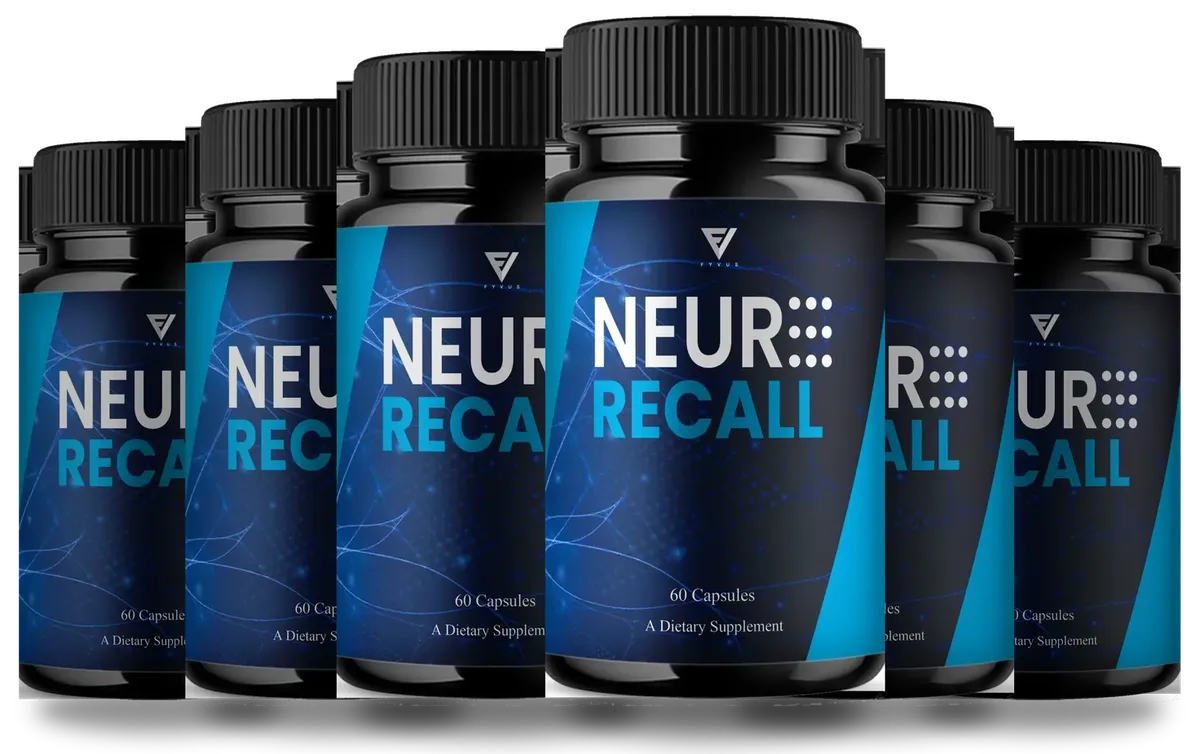
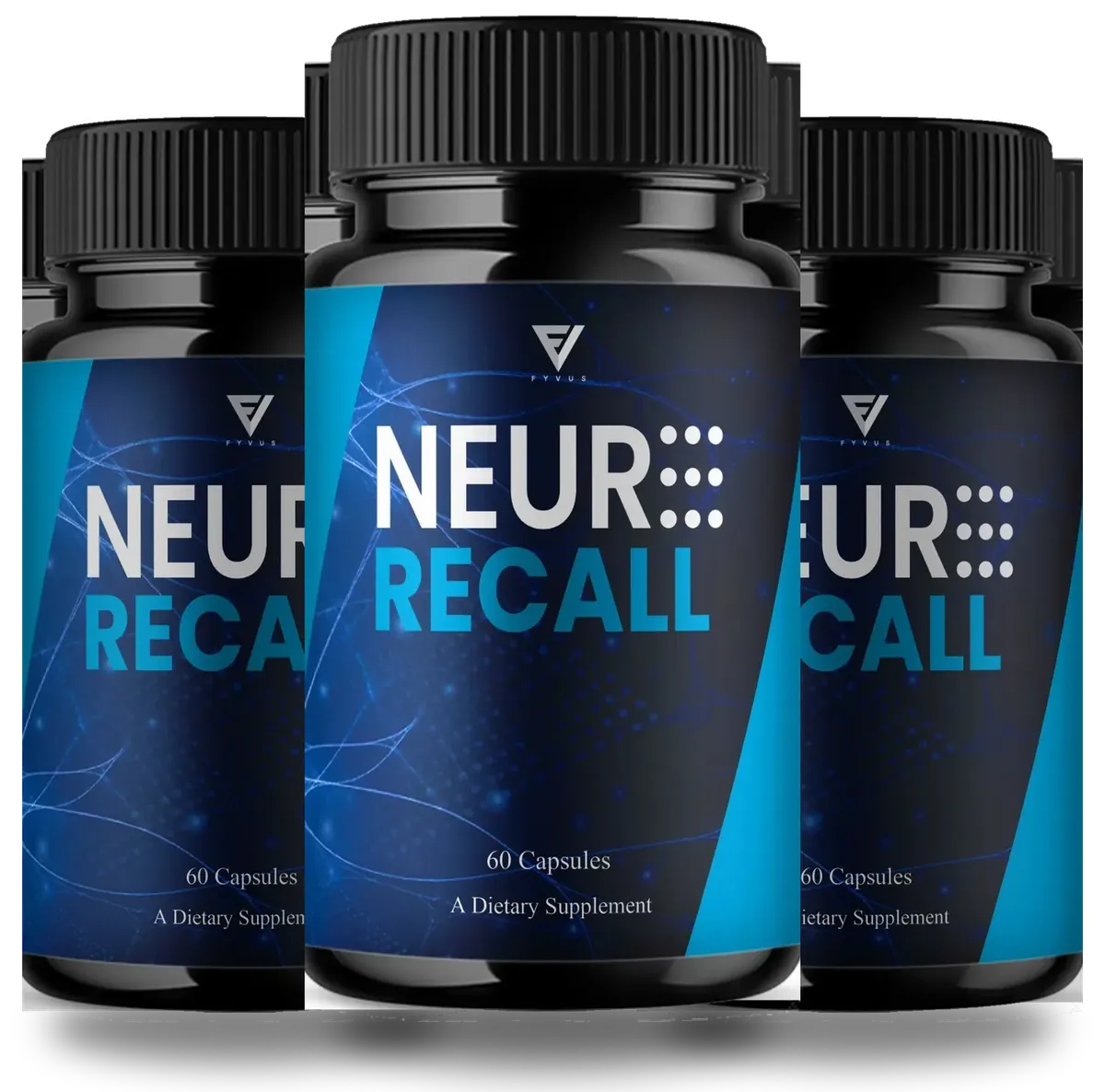
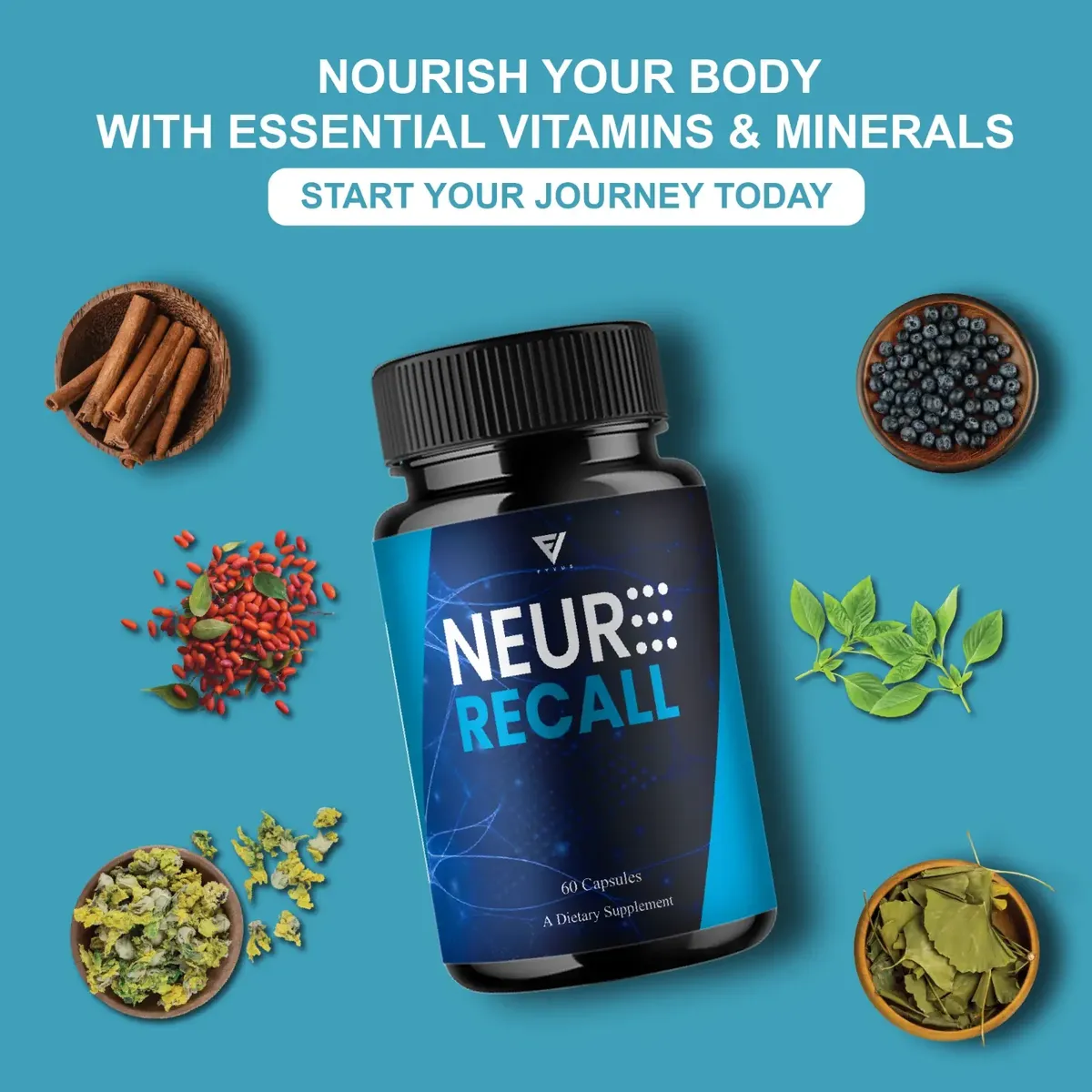
Neuro Recall lists ginkgo biloba leaf extract second in its 635 mg blend, right after cinnamon. The label does not print the exact amount. By label-order rules, ginkgo can weigh at most 317.5 mg in a 2-capsule serving (21 CFR 101.36).
Honest note
With ginkgo, the dose is not the main problem. GEM used 240 mg a day, which Neuro Recall could match, and still found no benefit (Snitz et al., JAMA 2009). So we do not claim the ginkgo in Neuro Recall helps memory. The capsule also carries B12, folate, magnesium, chromium and nine other blend items, listed on the ingredients page.
If you want to compare memory products on doses, labels and refund terms, our memory supplement buyer's checklist lays out each step. For the next herb in the blend, read our review of bacopa monnieri research.
How to use a ginkgo product safely
If you still want to try a product that holds ginkgo, plan it with care. A short, written plan keeps you safe and makes it easier to judge.
- Before you start
Show the label to your doctor or pharmacist with your full medicine list.
- Week 1
Watch for bruising, nosebleeds or anything new. Stop and call if they appear.
- Before any procedure
Tell your surgeon or dentist you take ginkgo, and follow their advice on stopping.
- Any time
If memory changes worsen or affect daily tasks, book a doctor visit rather than adding more pills.
Ginkgo biloba for memory FAQ
Does ginkgo biloba improve memory?
The strongest evidence says no for preventing decline. In a six-year trial of more than 3,000 older adults, ginkgo did not slow cognitive decline or lower dementia rates compared with placebo.
Does ginkgo biloba prevent dementia?
No. The GEM trial found the same rate of dementia in the ginkgo and placebo groups. NCCIH reports the same result.
What is ginkgo biloba used for?
People use ginkgo leaf extract hoping to help memory, circulation and other concerns. Research has not clearly backed those uses.
What are the side effects of ginkgo biloba?
The main concern in NCCIH's summary is a higher risk of bleeding, especially with blood thinners. Stop and call your doctor if you notice anything new after you start.
Can you take ginkgo with blood thinners?
Ask your doctor first. Ginkgo may raise bleeding risk with blood thinners such as warfarin, and the risk may matter with aspirin and before surgery too.
How much ginkgo was used in the GEM trial?
People took 120 mg of ginkgo twice a day, which is 240 mg a day, for a median of about six years.
How long does it take ginkgo to work?
There is no proven timeline because the large trial found no benefit even after years of use. Be cautious with any product that promises quick results.
Should I stop ginkgo before surgery?
Tell your surgeon and dentist about any ginkgo product. Because of the bleeding concern, they may ask you to stop it ahead of time.
How much ginkgo is in Neuro Recall?
The exact amount is not printed. Ginkgo is second in the 635 mg blend, so by label order it can weigh at most 317.5 mg per 2-capsule serving.
Ready to try Neuro Recall?
2 capsules a day, 60 per bottle, with the full label shown on this site. Prices and refund terms appear on the checkout. On medicine or worried about memory? Talk to your doctor first.