Normal Forgetfulness or Dementia? A Neuro Recall Guide to the Difference
Quick answerNormal forgetfulness is losing a name or your keys and finding them later. Dementia is different: memory loss that disrupts daily life, trouble with familiar tasks, or confusion about time and place. Those signs need a doctor visit. Sudden confusion, trouble speaking, or numbness on one side can be a stroke: call 911. No supplement has been shown to prevent dementia.
- Refund terms shown at checkout
- Shipping cost shown before you pay
Is it normal forgetfulness or something more?
You lose your glasses. A word sits on the tip of your tongue. You forget a neighbor's name at the store. Moments like these can feel scary, especially if a parent had dementia. Most of the time, they are part of a busy life and a normal aging brain.
Dementia is not just more forgetting. It is a change that makes daily life harder. This article helps you tell the two apart with real examples. It also covers the signs that cannot wait and how to start the talk with someone you love.
- 10early signs on the Alzheimer's Association list
- 1question to ask: does it disrupt daily life?
- 911for sudden confusion or trouble speaking
- 0supplements shown to prevent dementia
Normal forgetfulness vs. dementia: everyday examples
The key question is whether a change gets in the way of daily life. The Alzheimer's Association uses this test in its list of early signs (Alzheimer's Association, 10 warning signs). The examples below show the difference in everyday terms.
| Situation | Usually normal | Worth a doctor visit |
|---|---|---|
| Names | Forgetting a new acquaintance's name, then recalling it | Forgetting the names of close family members |
| Errands | Walking into a room and forgetting why | Getting lost on a route driven for years |
| Bills | Missing one payment in a busy month | No longer being able to keep track of monthly bills |
| Talking | Pausing to find a word | Stopping mid-sentence with no idea how to go on |
| Dates | Forgetting what day it is, then working it out | Not knowing the season or the year |
| Belongings | Leaving keys in a coat pocket | Finding keys in the fridge and not knowing how they got there |
| Repeats | Telling a story twice to the same friend | Asking the same question many times in one hour |
What are the early signs of dementia families notice?
The Alzheimer's Association lists ten early signs (Alzheimer's Association, 10 warning signs). A few stand out for families. Watch for trouble planning or following steps, losing track of time or place, new problems with words, poor judgment with money, and pulling away from hobbies or friends.
Mood and personality changes can also be early clues. A person may become confused, suspicious, anxious or easily upset outside their comfort zone. These changes are easy to dismiss as stress, so note them when they happen.
One slip vs. a pattern
A single bad day means little. A pattern that grows over weeks or months matters more. Keep a simple log with the date and what happened. It turns vague worry into facts a doctor can use.
What else can cause memory problems?
Not every memory problem is dementia. Low vitamin B12, thyroid problems, depression, poor sleep, hearing loss and side effects of medicines can all affect thinking. Some of these can be treated.
Low B12 is a good example. The NIH Office of Dietary Supplements lists confusion and poor memory among its signs (NIH ODS, Vitamin B12). Our post on vitamin B12 and memory explains who is at risk and why testing beats guessing.
When is memory loss an emergency?
Sudden changes: call 911
Sudden numbness or weakness, especially on one side, sudden confusion, trouble speaking or understanding, trouble seeing or walking, or a severe headache can be a stroke (CDC, Stroke signs). Call 911 right away and note the time the signs began.
Many health groups teach the F.A.S.T. check for stroke. It is easy to remember and could save a life.
The F.A.S.T. stroke check
- Face: ask the person to smile. Does one side droop?
- Arms: ask them to raise both arms. Does one drift down?
- Speech: ask them to repeat a simple phrase. Is it slurred or strange?
- Time: if you see any of these, call 911 right away.
How do you talk to a parent about memory changes?
Raising memory concerns with a parent is hard. Many people fear losing their independence, so they may deny or hide problems. A calm, caring approach helps more than a list of mistakes.
Pick a quiet time
Choose a calm moment in private, not during a family event or right after a mistake.
Start with care
Say you have noticed some changes and want to make sure they feel well.
Use examples
Mention one or two specific moments, without blame or teasing.
Offer to go along
Suggest a regular checkup and offer to drive, take notes or sit in.
If the first talk does not go well, try again later. Sometimes a trusted friend, sibling or the family doctor can raise it more easily than you can.
How do you prepare for a memory doctor visit?
A doctor visit for memory is not a single test. It is a conversation, a short check of thinking skills, and often some blood work. Preparing ahead makes the most of the time. Our memory basics guide has more on what a doctor may look for.
- A week before
Keep a short log of memory slips, mood changes and sleep. Note dates and details.
- The day before
Gather all medicines, vitamins and supplements, or write a full list with doses.
- At the visit
Bring a family member. Share the log and ask what could be causing the changes.
- After the visit
Write down the next steps, tests ordered and when to follow up.
Can supplements prevent dementia?
Memory supplements are heavily marketed to worried families. NCCIH has an overview of the research on supplements sold for memory, dementia and Alzheimer's disease (NCCIH, Supplements for cognitive function). Ginkgo, the best-known memory herb, did not lower dementia rates in its largest trial (NCCIH, Ginkgo).
Honest note
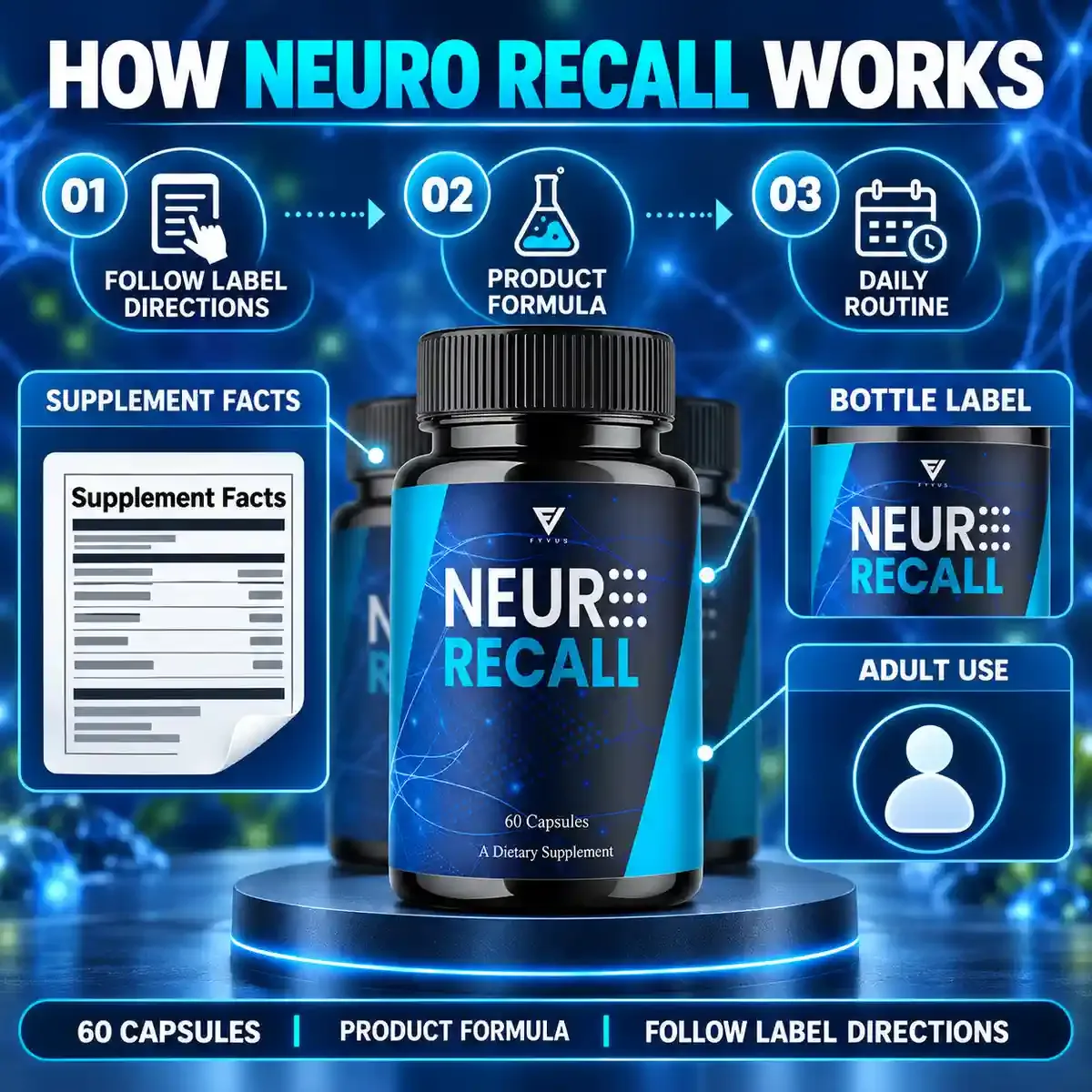
Neuro Recall is a capsule with B12, folate, magnesium, chromium and a 635 mg blend of ten herbs and nutrients. It is not a treatment for memory loss or dementia, and no trial of it has been published. If you are considering it, read who it is for and the side effects page, and talk to your doctor first. A supplement should never delay a checkup.
Normal forgetfulness or dementia FAQ
What is the difference between forgetfulness and dementia?
Everyday forgetfulness does not stop you from living your life, and you can usually recall the detail later. Dementia brings changes that disrupt daily life, such as getting lost in a familiar place or struggling with tasks you have done for years.
At what age does dementia usually start?
Dementia is more common with older age, but it is not a normal part of aging. Some people develop it earlier, so new changes at any age deserve a checkup.
Is it normal to walk into a room and forget why?
Yes, that happens to most people, especially when tired or distracted. It is not a warning sign on its own.
Can stress or poor sleep cause memory problems?
Yes. Stress, poor sleep, low mood and some medicines can all make memory worse. A doctor can help sort out the cause.
What should I do if I think my parent has dementia?
Write down specific examples, talk to your parent calmly, and offer to go with them to a doctor visit. Focus on getting answers, not on labels.
Can a stroke cause sudden memory loss?
Yes. Sudden confusion, trouble speaking or understanding, or weakness on one side can be signs of a stroke. Call 911 right away.
Do supplements prevent dementia?
No supplement has been shown to prevent dementia. NCCIH has an overview of the research on supplements sold for memory, so talk to your doctor before you try one.
What does a doctor do to check memory?
A doctor usually asks about symptoms, reviews medicines, does a short memory test and may order blood tests or a scan. Bringing a family member helps.
Can Neuro Recall help with forgetfulness?
Neuro Recall is a dietary supplement, not a treatment for memory loss or dementia, and no trial of it has been published. New or worsening forgetfulness needs a doctor first.
Checkup first. Curious about Neuro Recall afterward?
Read the label, talk to your doctor about your medicines, and see the price and refund terms on the checkout before you decide.