Memory Basics: A Neuro Recall Guide to Brain Health, Normal Aging and Warning Signs
Quick answerSome memory slips are a normal part of aging, like forgetting a name and recalling it later. Memory loss that disrupts daily life is not normal and needs a doctor. Low vitamin B12 is one treatable cause. Sleep, activity, blood pressure and blood sugar care, hearing checks and social contact support brain health. Sudden confusion or trouble speaking: call 911.
- Refund terms shown at checkout
- Shipping cost shown before you pay
How does memory change as we get older?
Memory is not one thing. You use short-term memory to hold a phone number for a minute. You use long-term memory to recall a wedding or a recipe. Both can feel less sharp on a tired, busy or stressful day.
This guide sorts everyday slips from the signs that need a doctor. It also covers a common, treatable cause of memory trouble and the habits that help the brain over time. A supplement such as Neuro Recall comes last, and it is optional.
- 10warning signs listed by the Alzheimer's Association
- 2.4 mcgvitamin B12 adults need each day
- 911the call to make for sudden stroke signs
- 5everyday habits linked with brain health
What are the early signs of dementia?
The Alzheimer's Association lists ten early signs of dementia and pairs each with a typical age-related change (Alzheimer's Association, 10 warning signs). The left column below is a reason to see a doctor. The right column is common and usually not a cause for alarm.
| Area | Possible warning sign | Typical age-related change |
|---|---|---|
| Memory | Memory loss that disrupts daily life, such as asking the same question again and again | Forgetting a name or date, then recalling it later |
| Planning | Trouble following a plan or a familiar recipe | Making an occasional error when balancing a checkbook |
| Familiar tasks | Trouble finishing tasks done for years, like driving a known route | Needing help now and then with a new device setting |
| Time and place | Losing track of dates, seasons or where you are | Mixing up the day of the week, then working it out |
| Words | New trouble joining a talk or naming common things | Sometimes searching for the right word |
| Misplacing things | Putting items in odd places and being unable to retrace steps | Misplacing things and finding them by retracing steps |
| Judgment | Poor decisions with money or self-care | A bad decision once in a while |
| Mood | Becoming confused, fearful or withdrawn | Feeling irritable when a routine is disrupted |
Our article on normal forgetfulness or dementia walks through real-life examples and how to start the talk with a parent.
Can low vitamin B12 cause memory problems?
Vitamin B12 helps keep nerve and blood cells healthy. Adults need 2.4 mcg a day. The NIH Office of Dietary Supplements says a lack of B12 can cause confusion and memory problems (NIH ODS, Vitamin B12).
The good news is that a blood test can check your level. If it is low, your doctor can look for the reason and choose the right treatment. That may be a pill, a shot or a change in diet.
Who is more likely to run low on B12?
Older adults often absorb less B12 from food. So do people who have had stomach or bowel surgery, people with certain digestive conditions, and people who eat no animal foods. Some long-term medicines may matter too, so ask your doctor.
Test first, then treat
Folic acid in high amounts can hide a B12 deficiency (NIH ODS, Folate). That is one reason to test, not guess. Our post on vitamin B12 and memory explains more.
What else can cause memory trouble that a doctor can treat?
Low B12 is not the only cause of foggy thinking that can be fixed. Poor sleep, low mood, an underactive thyroid, hearing loss and side effects from medicines can all affect memory and focus. Some of these are easy to miss without a checkup.
This is why a doctor visit matters more than any product. A doctor can look at the whole picture, order tests and review your medicine list. Many people feel relief just from knowing the cause.
When is a memory problem an emergency?
Any of these: call 911 now
- Sudden numbness or weakness in the face, arm or leg, often on one side
- Sudden confusion or trouble understanding speech
- Sudden trouble speaking
- Sudden trouble seeing in one or both eyes
- Sudden trouble walking, dizziness or loss of balance
- Sudden severe headache with no known cause
These signs come from the CDC (CDC, Stroke signs). Note the time they began, because treatment choices depend on it. Do not drive yourself, and do not wait to see if it passes. Memory pills of any kind have no place here.
How can you improve memory naturally? Habits for brain health
People often search for how to improve memory naturally. The honest answer is that no habit works like a switch. Still, the habits below support the heart, blood vessels and overall health, and the brain depends on all three. Small, steady steps beat big plans that fade.
Everyday tools help too. Keep a calendar, use a pill organizer, and put keys and glasses in the same spot each time. Write down appointments right away. None of this is a sign of decline; it simply frees up your attention.
When should you see a doctor about memory?
See a doctor when memory changes affect daily tasks, when family or friends point them out, or when you feel worried. You do not need to wait until things are bad. An early visit gives more time to find causes that can be treated.
Write examples
Note what happened, when, and how often. Specific stories help more than general worry.
Bring a list
Write down every medicine, vitamin and supplement, with the dose. Bring the bottles if that is easier.
Bring someone
A family member or friend can add details and help remember what the doctor says.
Ask about tests
Ask whether blood tests, such as B12 and thyroid, or a memory screen make sense for you.
Where does a supplement like Neuro Recall fit?
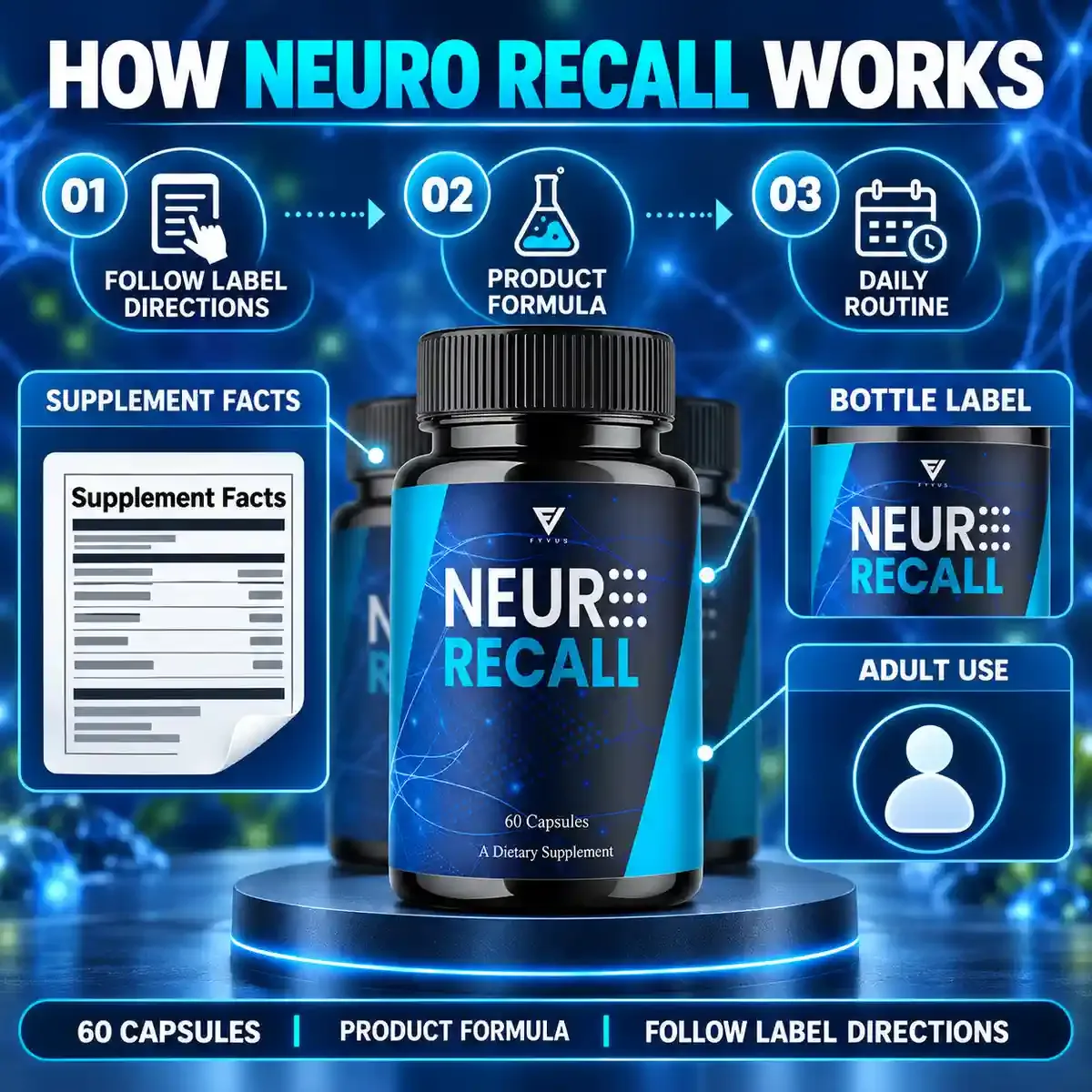
A supplement fits only after the checkup and the habits, and only if you want one. Neuro Recall is a capsule for adults. The label serving is 2 capsules a day, with B12, folate, magnesium and chromium plus a 635 mg blend of ten herbs and nutrients. See the full ingredients list for each one.
Honest note
Neuro Recall is not a treatment for memory loss or dementia, and no trial of the product itself has been published. Its best-known herb, ginkgo biloba, did not lower dementia rates in a six-year trial of more than 3,000 older adults (NCCIH, Ginkgo). The extra B12 helps if you are low; it is not shown to help people who already get enough (NIH ODS, Vitamin B12).
Before you buy any memory product, use our memory supplement buyer's checklist. Then take the quick check below to see whether to talk to your doctor first.
Are you an adult, 18 or older?
The label is for adults; keep it out of reach of children.Are you pregnant or nursing?
The label says do not use if pregnant or nursing. Berberine is also not advised then.Do you take blood thinners, aspirin or have surgery coming up?
Ginkgo may raise bleeding risk. Ask your doctor first.Do you take insulin, metformin or other diabetes medicine?
Chromium, berberine, ALA and cinnamon may lower blood sugar. Ask your doctor first.Has memory loss started to disrupt daily life, or did confusion come on suddenly?
That needs a doctor, not a supplement. Sudden confusion or trouble speaking: call 911.
Neuro Recall memory basics FAQ: questions people ask
How can I improve my memory naturally?
Start with the basics that help the whole body: steady sleep, regular movement, care for blood pressure and blood sugar, hearing checks and time with other people. Simple tools like lists, calendars and a set place for keys also help day to day.
What are the early signs of dementia?
Early signs include memory loss that disrupts daily life, trouble planning or following steps, confusion about time or place and new problems finding words. If you notice these in yourself or someone close, book a doctor visit.
Is it normal to forget things as you get older?
Yes, some forgetting is common with age. Losing a word now and then, or misplacing glasses and then retracing your steps to find them, is usually not a warning sign.
Can a vitamin deficiency cause memory loss?
Yes. Low vitamin B12 can cause confusion and memory problems, and a simple blood test can check for it. Treating a true deficiency is a doctor's job.
What is the best thing for brain health?
No single thing does it all. The steady habits that protect your heart and blood vessels, plus sleep, hearing care and social contact, are the strongest place to start.
Does exercise help memory?
Regular activity is good for the heart, blood pressure and blood sugar, and those all matter for the brain. Walking counts, and your doctor can tell you what pace is safe.
When should I see a doctor about memory problems?
See a doctor when memory changes start to affect daily tasks, when family members notice changes, or when you feel worried. Bring a list of examples and every medicine and supplement you take.
What are the signs of a stroke?
Sudden numbness or weakness, sudden confusion, trouble speaking, seeing or walking, or a sudden severe headache. Call 911 right away and note the time the signs began.
Can Neuro Recall prevent dementia?
No. Neuro Recall is a dietary supplement, not a treatment or prevention for dementia or Alzheimer's disease. Memory changes that worry you need a medical checkup.
Checkup and habits first. Curious about Neuro Recall?
Read the label, ask your doctor if you take any medicine, and see the price and refund terms on the checkout before you decide.