Fake Celebrity Supplement Ads: How to Spot Deepfakes Before You Buy Neuro Recall
Quick answerNo celebrity endorses Neuro Recall. In September 2026, MalwareTips reported ads that used fake AI videos of famous people, including Elon Musk, and an order button that led to a checkout for a different product. Before you pay, check that the checkout names Neuro Recall and the label matches. If not, do not pay, and call your card issuer.
- Refund terms shown at checkout
- Shipping cost shown before you pay
What are fake celebrity supplement ads?
You may have seen a video where a famous person praises a memory pill. The voice sounds right and the face looks real. It may still be fake. AI tools can now copy a face and voice from public clips.
The Better Business Bureau warns that scammers use AI-made celebrity videos to sell products, and that a celebrity video is not proof of an endorsement (BBB, AI celebrity scams). Memory supplements are a common target, because worry about memory is common and personal.
- 0celebrity endorsements of Neuro Recall
- 1product name that should appear on your checkout
- 2capsules a day on the real label
- 635 mgblend printed on the real label
What was reported about Neuro Recall ads?
In September 2026, MalwareTips reported on ads using the Neuro Recall name (MalwareTips, Sept 2026). The report said the ads used fake AI videos of celebrities, such as Elon Musk. It also said the order button led to a checkout for a different product, called MemoHoney.
Other review pages describe a Neuro Recall formula with different ingredients, for example phosphatidylserine and rhodiola. Those do not match the label in the brand images. We cannot say who ran those ads, and we do not accuse any company. We only describe what was reported and what the label shows.
How this site is different
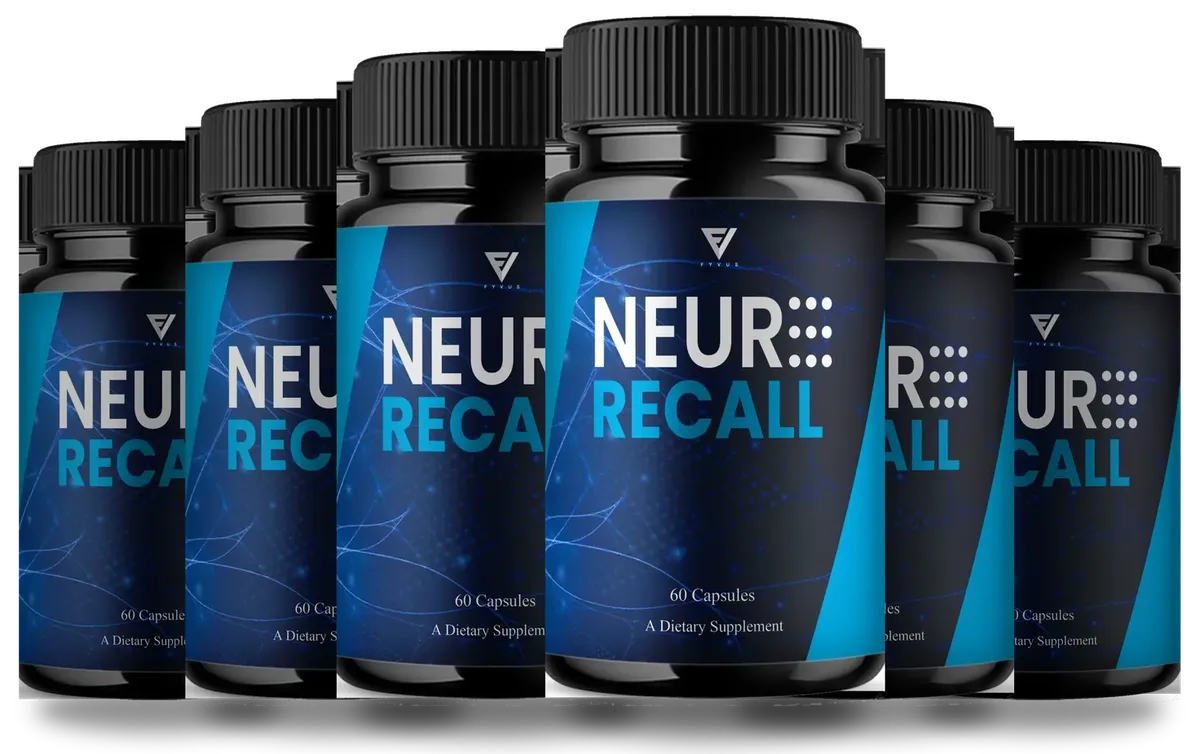
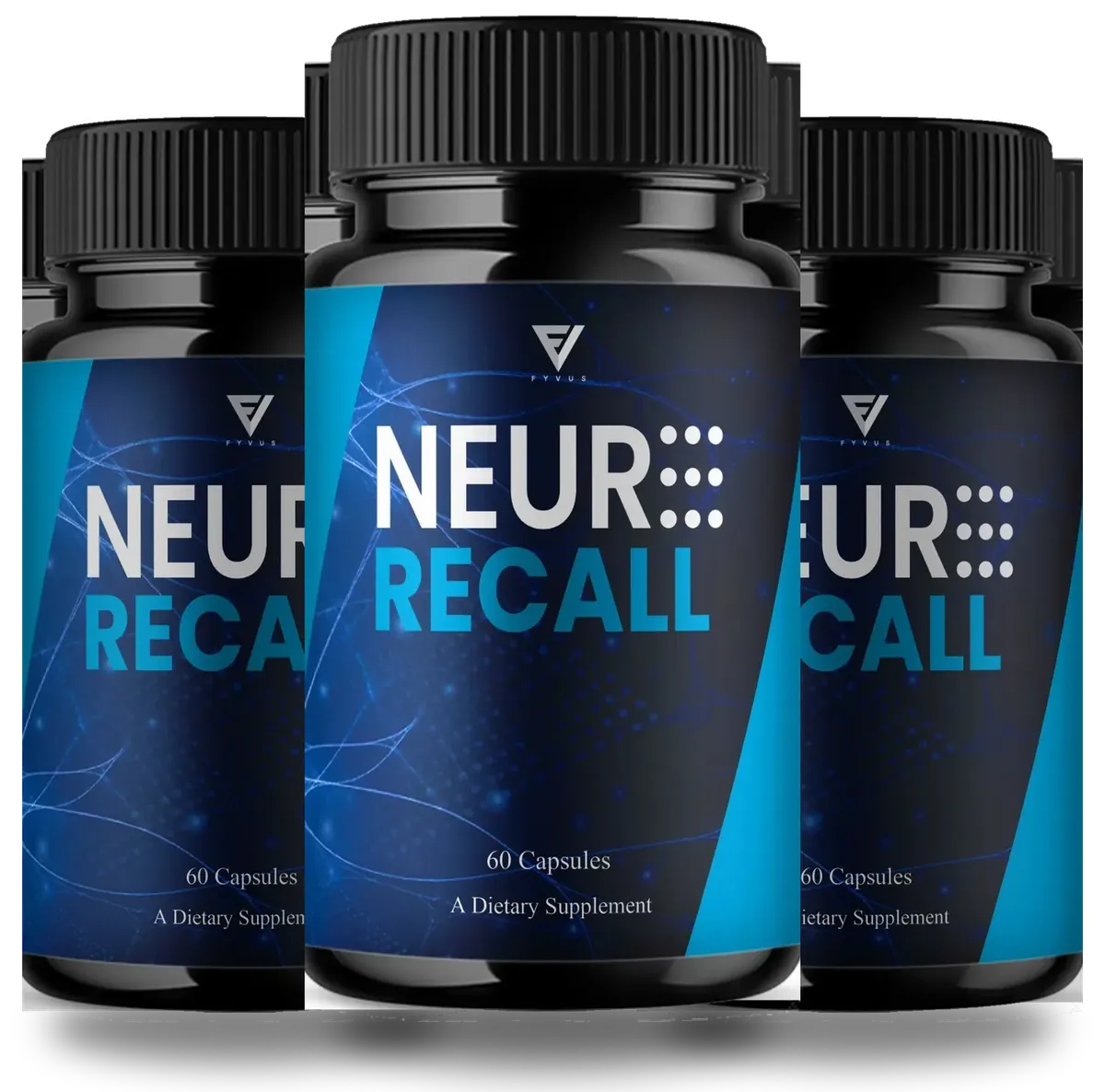
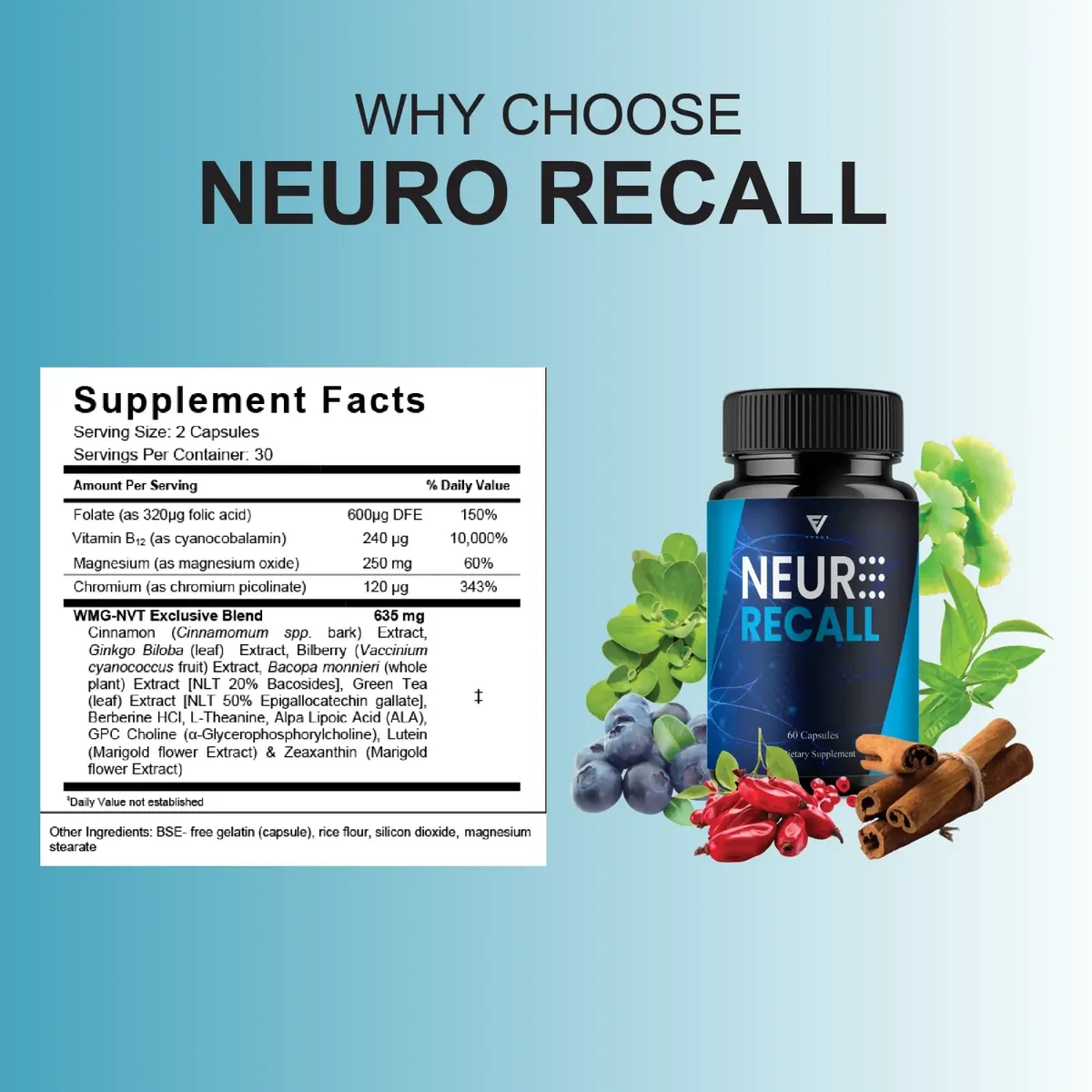
This site does not use those ads. It has no celebrity endorsement and quotes no famous person. It describes only the label shown in the brand images, which you can read on our Supplement Facts page.
How do you spot a deepfake supplement ad?
Red flags in a supplement ad
- A famous person says they take it or invented it
- Lips that do not match the words, or a flat, odd voice
- A miracle claim, such as reversing memory loss or curing dementia
- A fake news layout with a well-known TV or news logo
- A countdown timer, last-few-bottles warning or secret discount
- Comments that all sound alike and cannot be clicked
- An order page that names a different product
- A price that is only shown after you enter card details
Fake ad claims vs. the real label
It helps to compare what a fake ad says with what the real label shows. The table below uses common ad claims and sets them next to the facts.
| What a fake ad may claim | What is actually true |
|---|---|
| A celebrity takes it or created it | No celebrity endorses Neuro Recall. Videos like this may be AI fakes. |
| It reverses memory loss or cures dementia | Neuro Recall is a dietary supplement, not a treatment for memory loss, dementia or Alzheimer's. |
| Claims of FDA approval | The FDA does not approve dietary supplements before they are sold. |
| Secret formula with special herbs | The label lists folate, B12, magnesium, chromium and a 635 mg blend of ten items. |
| Only a few bottles left | Use your own pace. The price and refund terms are shown at checkout. |
The FTC says health claims in ads must be backed by solid science (FTC, Health Products Compliance Guidance). The FDA does not approve supplements before they reach the market (FDA, Q&A on Dietary Supplements). Any ad that says otherwise is a warning sign.
How to check a supplement before you pay
A few minutes of checking can save money and stress. Use these steps for any supplement you see in a social media ad.
What should you do if you bought from a fake ad?
If you already paid through a fake ad, act quickly. Fast action gives you a better chance of getting money back and stopping more charges.
Call your card issuer
Explain that the ad was fake or the product was switched. Ask about a dispute and a new card number if needed.
Save the proof
Keep screenshots of the ad, the checkout page, the order email and any messages.
Report it
File a report with the FTC at reportfraud.ftc.gov. Report the ad on the platform where you saw it too.
Do not take an unknown product
If the bottle does not match the label you expected, set it aside and ask a pharmacist.
Where to report
Report fake ads and scams to the Federal Trade Commission at reportfraud.ftc.gov. Reports help the FTC spot patterns and warn others.
How can you protect a parent from fake ads?
Many people who see these ads are older adults worried about memory. Adult children often find out only when a strange charge appears. A calm talk works better than blame. Anyone can be fooled by a well-made fake.
Share a simple rule: no buying from a video ad, and call a family member before entering a card number online. Offer to check the label together. If memory worries are behind the purchase, suggest a doctor visit. Our post on normal forgetfulness or dementia can help start that talk.
How to order Neuro Recall safely
The order buttons on this site go to a page that explains the checkout status. Right now it says the checkout link is not live, and it asks people not to buy from ads they cannot verify. When the checkout is live, it will show the price and refund terms before you pay.
Our Neuro Recall scam check has the full list of what to verify, and where to buy explains the order desk and returns. Before buying any memory product, our buyer's checklist covers labels, doses and interactions.
Honest note
Even with the right product, keep your hopes realistic. Neuro Recall is a vitamin and herbal capsule, not a treatment, and no trial of it has been published. An ad that promises more than that is selling a story, not a supplement.
Fake celebrity supplement ads FAQ
Does Elon Musk endorse Neuro Recall?
No. No celebrity endorses Neuro Recall. MalwareTips reported that some ads used fake AI videos of famous people, including Elon Musk, to sell memory pills.
How can you tell if a celebrity ad is fake?
Look for lips that do not match the words, a flat or odd voice, and claims the person has never made in real interviews. If a famous person truly backed a product, it would show up on their own verified channels.
What is a deepfake ad?
A deepfake ad uses AI to make a video of a real person saying things they never said. Scammers use them to borrow trust from famous faces.
What is the Neuro Recall MemoHoney scam?
MalwareTips reported that ads using the Neuro Recall name sent buyers to a checkout for a different product called MemoHoney. Always check that the checkout names the product you meant to buy.
Is Neuro Recall a scam?
The product itself is a capsule with a printed label. The reported problem is fake ads that use its name. Check the label and checkout before paying, and read our Neuro Recall scam check.
What should I do if I bought from a fake ad?
Call your card issuer right away and explain what happened. Keep screenshots and emails, and report the ad at reportfraud.ftc.gov.
Where do I report a fake supplement ad?
Report it to the FTC at reportfraud.ftc.gov. You can also report the ad on the platform where you saw it.
Why do scammers use celebrities to sell supplements?
Famous faces earn trust fast. The Better Business Bureau warns that scammers use AI-made celebrity videos to sell products.
Can I get my money back from a fake supplement ad?
Sometimes. Call your card issuer as soon as you can and ask about a dispute. The sooner you act, the better your chances.
Want the real Neuro Recall label, not an ad?
Read the Supplement Facts on this site, ask your doctor if you take any medicine, and check that the checkout names the product before you pay.